Low-sodium cheese provides several health benefits, making it suitable for individuals seeking to enhance their overall well-being. One primary advantage of low-sodium cheese is its potential to support healthy blood pressure levels. High salt intake has been associated with elevated blood pressure, which can increase the risk of cardiovascular diseases such as heart disease and stroke.
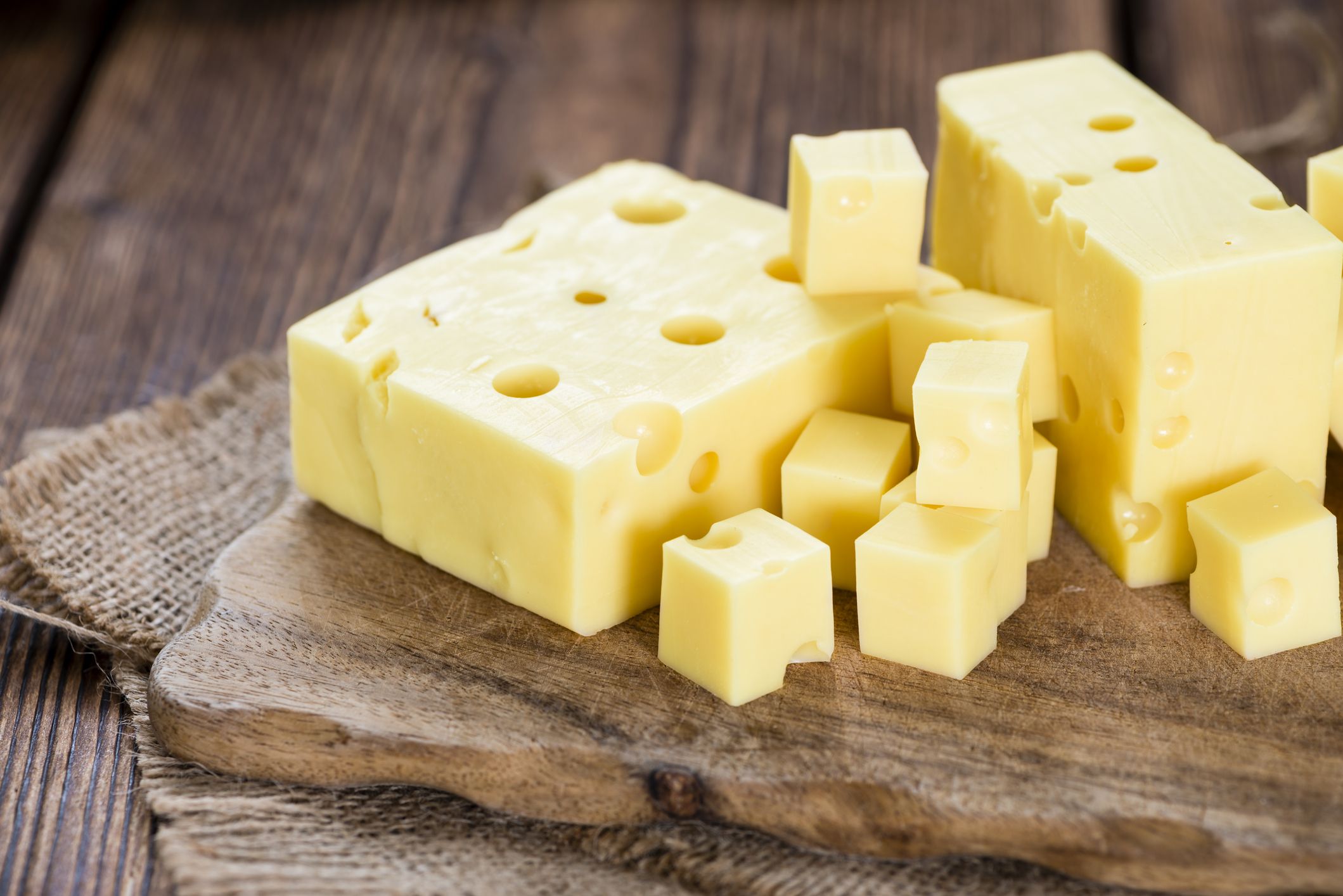
Individuals can reduce sodium consumption and improve their cardiovascular health using low-sodium cheese. Low-sodium cheese is a valuable source of essential nutrients, including calcium and protein. Calcium is crucial in maintaining strong bones and teeth, while protein is vital for muscle growth and repair.
Incorporating low-sodium cheese into one’s diet can help ensure adequate intake of these important nutrients without the excess sodium typically found in regular cheese varieties. This makes low-sodium cheese a beneficial choice for those aiming to improve their nutritional intake while reducing sodium consumption.
Key Takeaways
- Low-salt cheese can help reduce the risk of high blood pressure and heart disease.
- Low-salt cheese is made by reducing the salt content during the cheese-making process.
- Enjoy low-salt cheese in salads, sandwiches, and as a topping for dishes
- Low-salt cheese is a good source of protein, calcium, and other essential nutrients
- Choosing low-salt cheese can be a tasty and heart-healthy option for a healthier lifestyle
How Low Salt Cheese is Made
The Production Process
The process begins with pasteurized milk, which is heated and then combined with a starter culture to start the fermentation process. Rennet, an enzyme, thickens the milk and forms curds.
Shaping and Aging
These curds are then cut and heated to release the whey before being pressed into molds to form the desired shape of the cheese. Once the cheese has been molded, it is typically aged for some time to develop its flavor and texture.
Reducing Sodium Content
During this aging process, low-salt cheese is carefully monitored to ensure that the sodium content remains reduced. This may involve using alternative methods to enhance the flavor of the cheese, such as incorporating herbs or spices. By carefully controlling the amount of salt used in the production process, low-salt cheese manufacturers can produce a delicious and nutritious product for those looking to reduce their sodium intake.
The Best Ways to Enjoy Low-Salt Cheese
There are countless ways to enjoy low-salt cheese, making it a versatile ingredient that can be incorporated into many dishes. One of the simplest ways to enjoy low-salt cheese is by adding it to a cheese board or platter alongside fruits, nuts, and crackers. This allows individuals to savor the natural flavors of the cheese without overpowering it with other ingredients.
Low-salt cheese can also be used as a topping for salads, pizzas, and sandwiches, adding a creamy and savory element. Additionally, it can be melted into sauces or soups to create a rich and indulgent flavor. Low-salt cheese can be paired with honey or fruit preserves for a delicious dessert option for those with a sweet tooth.
The Nutritional Value of Low Salt Cheese
| Nutritional Value of Low Salt Cheese | Per 100g |
|---|---|
| Calories | 250 |
| Protein | 20g |
| Fat | 15g |
| Carbohydrates | 2g |
| Calcium | 500mg |
Low-salt cheese offers a range of essential nutrients, making it a valuable addition to a balanced diet. One key nutritional benefit is its high calcium content. Calcium is necessary to maintain strong bones and teeth and support muscle function and nerve transmission.
By incorporating low-salt cheese into their diet, individuals can ensure they have an adequate intake of this vital mineral. In addition to calcium, low-salt cheese is also a good source of protein. Protein is important for muscle growth and repair and a healthy immune system.
Individuals can boost their protein intake by including low-salt cheese in their meals without consuming excessive sodium. Furthermore, low-salt cheese contains essential vitamins such as vitamin A and vitamin B12, which play a crucial role in maintaining overall health and well-being.
Low Salt Cheese: A Tasty and Heart-Healthy Option
Low-salt cheese is a tasty option for those looking to reduce their sodium intake and offers numerous heart-healthy benefits. Excessive salt consumption has been linked to high blood pressure, which can increase the risk of heart disease and stroke. By choosing low-salt cheese, individuals can lower their sodium intake and support better cardiovascular health.
Furthermore, low-salt cheese is a good source of calcium, which is important for maintaining strong bones and teeth. This can help reduce the risk of osteoporosis and fractures, particularly in older adults. Additionally, the protein found in low-salt cheese can support muscle growth and repair and aid in weight management by promoting feelings of fullness.
Tips for Incorporating Low Salt Cheese into a Balanced Diet
Adding Flavor to Salads and Soups
One way to enjoy low-salt cheese is to use it as a topping for salads or soups. This adds a creamy and savory element to these dishes without additional salt.
Enhancing Homemade Pizzas and Sandwiches
Another option is to use low-salt cheese in homemade pizzas or sandwiches, which provides a satisfying and flavorful addition to these meals.
A Healthier Snacking Option
Low-salt cheese can be paired with fruits or vegetables for a nutritious and satisfying treat for those seeking a healthier snack. Additionally, low-salt cheese can be used in cooking and baking to add richness and flavor to dishes without increasing sodium. By incorporating low-salt cheese into their meals and snacks, individuals can enjoy its delicious taste while supporting their overall health and well-being.
The Importance of Choosing Low Salt Cheese for a Healthier Lifestyle
Choosing low-salt cheese is an important step towards achieving a healthier lifestyle, as it allows individuals to reduce their sodium intake without sacrificing flavor or nutrition. Excessive salt consumption has been linked to a range of health issues, including high blood pressure, heart disease, and stroke. By opting for low-salt cheese, individuals can lower their sodium intake and support better cardiovascular health.
Furthermore, low-salt cheese offers essential nutrients such as calcium and protein, which are important for maintaining strong bones and muscles. By incorporating low-salt cheese into their diet, individuals can ensure they get these vital nutrients without the added sodium often found in regular cheese. This makes low-salt cheese a smart choice for those looking to improve their overall nutritional intake while reducing their sodium consumption.
In conclusion, low-salt cheese offers numerous health benefits and can be enjoyed in various ways. By choosing low-salt cheese, individuals can support better cardiovascular health, maintain strong bones and muscles, and reduce sodium intake. With its delicious taste and versatile uses, low-salt cheese is a great option for those looking to improve their well-being while enjoying their favorite dishes.
FAQs
What is low-salt cheese?
Low-salt cheese is a type of cheese that has a reduced sodium content compared to traditional cheeses. This is achieved through various methods, such as adjusting the cheese-making process or using alternative ingredients.
How is low-salt cheese made?
Low-salt cheese can be made by adjusting the cheese-making process to reduce the amount of salt added or using alternative ingredients containing less sodium. Some manufacturers also use special cultures or enzymes to enhance the flavor of the cheese without the need for as much salt.
What are the benefits of low-salt cheese?
Low-salt cheese can benefit individuals looking to reduce their sodium intake for health reasons, such as managing high blood pressure or kidney disease. It can also be a good option for those watching their overall salt consumption as part of a balanced diet.
Does low-salt cheese taste different from regular cheese?
The taste of low-salt cheese may be slightly different from regular cheese, as salt plays a key role in enhancing the flavor of cheese. However, many manufacturers have developed techniques to ensure that low-salt cheese tastes delicious and satisfying.
Where can I find low-salt cheese?
Low-salt cheese can be found in many grocery and specialty food stores. It is also available for purchase online from various retailers. Look for labels or packaging indicating “low salt” or “reduced sodium” to identify these products.